


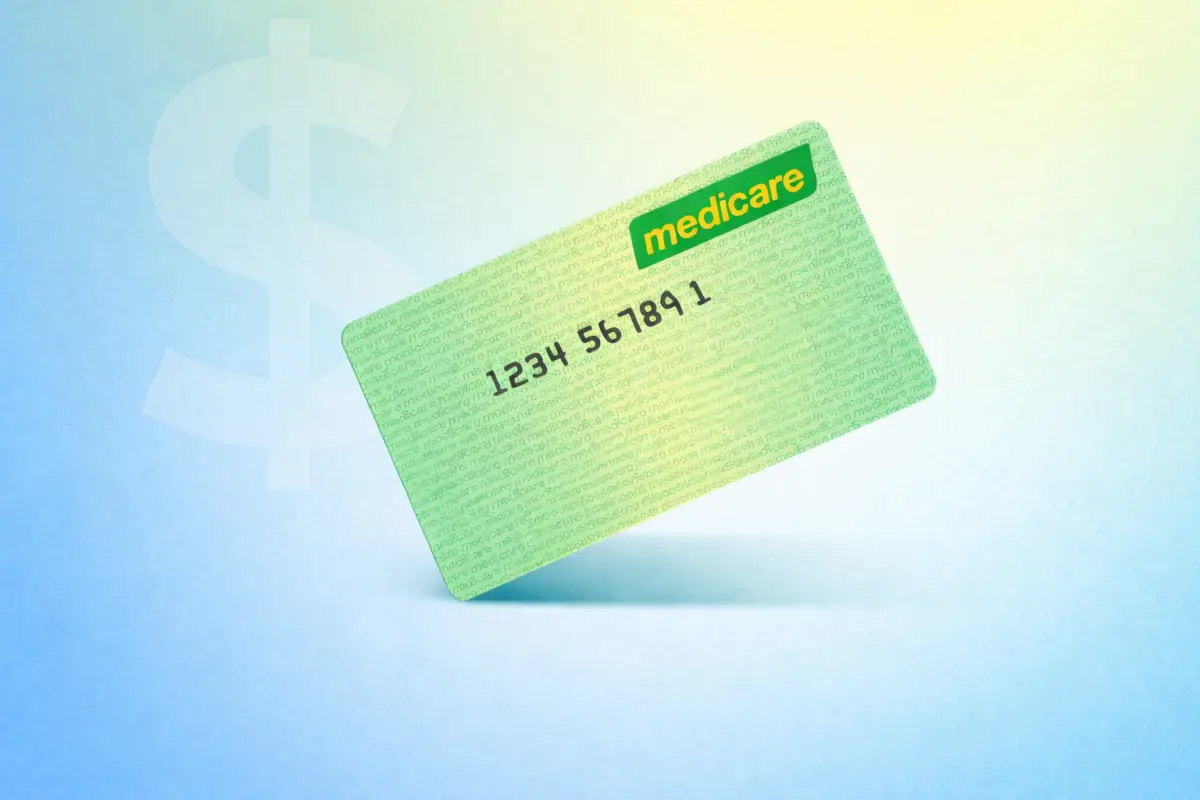
Medicare levy vs MLS
Two related but different charges. The Medicare levy is the standard 2% charge most residents pay to support Medicare. The Medicare Levy Surcharge is an additional charge only for higher-income earners without an appropriate level of private patient hospital cover. When people say "private health reduces my Medicare levy", they usually mean "hospital cover may help me avoid MLS". For where MLS sits beside income tax, the levy, and HELP, the income tax guide lays out the whole stack.
MLS thresholds and rates for 2026–2027
MLS applies in tiers based on your income for surcharge purposes. Singles and families have different thresholds, and the surcharge rate rises as income climbs through three tiers above the base.
| Tier | Singles | Families | Surcharge rate |
|---|---|---|---|
| Base — no surcharge | Up to $105,000 | Up to $210,000 | 0% |
| Tier 1 | $105,001 – $123,000 | $210,001 – $246,000 | 1% |
| Tier 2 | $123,001 – $164,000 | $246,001 – $328,000 | 1.25% |
| Tier 3 | $164,001+ | $328,001+ | 1.5% |
The family thresholds above apply to couples and families. The base is the same for no children or one dependent child; for each additional dependent child after the first, it rises by $1,500.
For illustration only, a single adult who is uninsured for the full year, has taxable income equal to their MLS income and no relevant add-backs or exemptions would pay roughly $1,050 a year at Tier 1 just above the base threshold. Different cover dates, income adjustments and exemptions can change the result. Not sure which tier you land in? The interactive checker at the top of this page works out your tier, rate and surcharge from your own income and cover.
If you gained or lost a spouse, or became or ceased to be a sole parent during the year, the ATO can apply single and family thresholds to different periods. The checker stops in that situation because one whole-year status cannot produce a reliable estimate.
Source: ATO — Medicare levy surcharge income, thresholds and rates.
Four things people get wrong
Medicare levy vs MLS
Two different charges. The 2% Medicare levy is near-universal; MLS is an extra surcharge for higher earners without hospital cover.
What counts as income
Different from taxable income. It can add reportable fringe benefits, reportable super contributions and net investment losses, while excluding assessable FHSS releases.
Private hospital cover
Extras cover alone does not exempt you. The test is an appropriate level of hospital cover held for the full period.
Private health rebate
A separate, income-tested contribution toward your premium — not the same thing as MLS.
What counts as income for MLS
MLS uses a different measure from taxable income alone: taxable income plus reportable fringe benefits, reportable super contributions, and total net investment losses, less statutory exclusions such as an assessable First Home Super Saver released amount. That means the final MLS-purpose figure can be either above or below the charge base. A salary package is not automatically added back; the relevant question is whether it creates a reportable fringe benefit or reportable super contribution. If packaging or reportable benefits apply to you, read the salary sacrifice guide and novated lease guide alongside this page.
Sets the tier — income for MLS purposes
Sets the amount — the charge base
Private hospital cover
To avoid MLS you need an appropriate level of private patient hospital cover — extras cover alone is not enough, and a hospital policy with an excess above the ATO's allowed limit doesn't qualify either. In a family situation, the taxpayer, spouse and relevant dependants need appropriate cover. Cover also doesn't have to run for the whole year to help: MLS is calculated daily, so part-year cover means the surcharge applies pro-rata to uncovered days only.
The economic question is usually not "should I buy private health because of tax?" but "if I want hospital cover anyway, does avoiding the MLS make the after-tax cost more reasonable?" For people close to the threshold the surcharge can exceed the cost of basic cover. To estimate the year-end bill, the tax refund guide shows how MLS can turn an expected refund into an amount owing.
Source: ATO — Medicare levy surcharge. Appropriate private hospital cover is the key test, not extras cover.
Private health rebate
The private health insurance rebate is separate from MLS: an income-tested contribution toward premiums, where MLS is a surcharge for going without hospital cover above the threshold. At tax time that means two separate questions — did MLS apply because you lacked cover, and did you receive too much or too little rebate for your final income tier? Both can move a tax return even when your salary looked straightforward all year.
Source: ATO — Private health insurance rebate thresholds and rates.